
Cheque Bounce Under Section 138 NI Act: Everything You Need to Know

Cheque bounce cases are among the most common financial and legal disputes in India. Whether it is a business transaction, personal loan repayment, partnership dealing, or payment for services, a dishonoured cheque can create serious financial complications for both parties. To protect the credibility of cheque transactions and maintain trust in the banking system, the […]
Anticipatory Bail vs Regular Bail: Key Legal Differences You Must Know
In the Indian criminal justice system, bail plays a crucial role in protecting the personal liberty of individuals accused of offences. Many people often confuse anticipatory bail with regular bail, but both legal remedies serve different purposes and are applicable under different circumstances. Understanding the distinction between these two forms of bail is essential for […]
How Criminal Lawyers Defend Clients in Serious Criminal Cases

When a person is accused of a serious criminal offence, the consequences can be life-changing. Criminal allegations may affect personal reputation, employment, family relationships, business opportunities, and freedom. In India, serious criminal cases can include offences such as murder, financial fraud, cybercrime, kidnapping, domestic violence allegations, white-collar crimes, narcotics offences, sexual offence allegations, and other […]
Cheque Bounce Due to Insufficient Funds: Legal Consequences Explained

A cheque bounce due to insufficient funds is one of the most common financial disputes faced by individuals, businesses, traders, and companies in India. When a cheque issued by a person or organization is dishonoured by the bank because the account does not contain adequate balance, it can lead to serious legal and financial consequences […]
Dowry Death in India: Legal Provisions, Causes, Punishment, and Victim Rights

Dowry death is one of the most serious social and criminal issues in India. Despite strict laws and increasing awareness, many women continue to face harassment, cruelty, and violence related to dowry demands after marriage. In extreme situations, this harassment results in the unnatural death of married women, commonly referred to as dowry death under […]
Domestic Violence: Legal Rights, Protection, and Remedies in India
Domestic violence is a serious social and legal issue affecting individuals across all sections of society. It involves physical, emotional, verbal, sexual, or economic abuse within domestic relationships such as marriage, live-in relationships, or family settings. In India, domestic violence is recognized as a punishable offense, and victims are protected under various legal provisions designed […]
Criminal and Civil Remedies for Cheque Bounce Cases in India
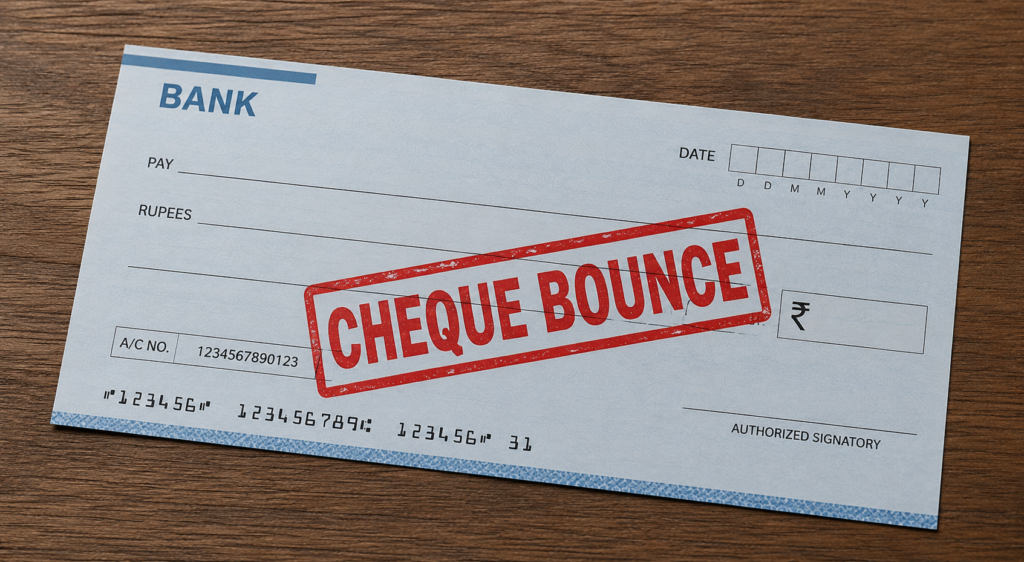
Cheque bounce cases are among the most common financial disputes in India. Whether it involves business transactions, personal loans, rental payments, or property dealings, dishonour of a cheque can create serious legal and financial complications. A cheque is considered bounced when the bank refuses to process it due to reasons such as insufficient funds, signature […]
BAIL LAW EXPLAINED: A COMPLETE GUIDE TO REGULAR, INTERIM, AND ANTICIPATORY BAIL
Bail law in India plays a crucial role in protecting the personal liberty of an individual while ensuring that justice is served. Under the Indian legal system, bail is a legal mechanism through which a person accused of an offence can secure temporary release from custody while the trial or investigation is ongoing. The principle […]
Anticipatory Bail Process in India: Expert Legal Insights and Practical Steps
Anticipatory Bail is an important legal remedy under Indian law that protects a person from arrest in cases where they fear being falsely implicated in a criminal matter. It is a pre-arrest legal protection granted by the court under Section 438 of the Criminal Procedure Code (now under the Bharatiya Nagarik Suraksha Sanhita where applicable). […]
Divorce: Legal Process, Rights, and Solutions for a Better Future

Divorce is a legal process through which a married couple officially ends their marriage under the law. It is often one of the most emotionally challenging and legally sensitive matters in family law. Divorce not only affects the relationship between husband and wife but also involves issues related to children, property, maintenance, financial responsibilities, and […]